Efficient EV Charger Installation by McNally EV for Your Home
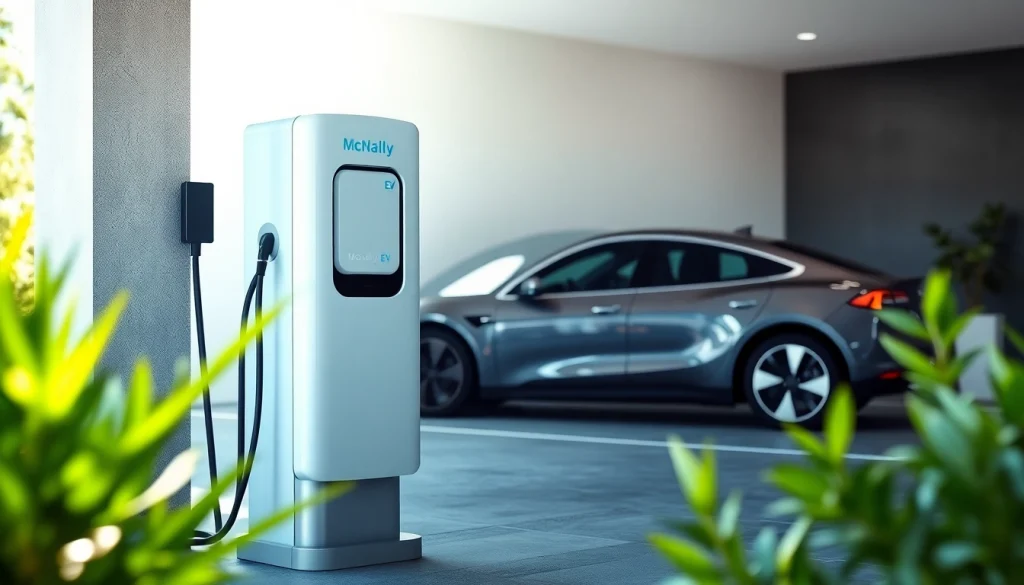
Understanding EV Charging Options
As electric vehicles (EVs) continue to gain popularity, understanding the various charging options available becomes crucial for potential owners. With advancements in technology and an increasing number of EV models hitting the market, selecting the right charging solution for your home is more straightforward than ever. McNally EV offers comprehensive insights to guide you through this transition.
Types of EV Chargers
There are several types of EV chargers, each serving different needs and situations:
- Level 1 Chargers: These are the most basic chargers and can plug into any standard household outlet. While they are convenient, they typically provide a slow charging experience, adding around 4 to 5 miles of range per hour.
- Level 2 Chargers: Commonly used in home and public charging stations, Level 2 chargers operate on 240 volts and can significantly reduce charging time, adding 25 to 30 miles of range in just one hour.
- DC Fast Chargers: These high-speed chargers are typically found at public charging stations and can deliver up to 80% charge in around 30 minutes. They are ideal for long-distance travel but are more expensive and usually not suitable for home installation.
- Wireless Chargers: Emerging technology offers the possibility of wireless charging, where vehicles can be charged without being plugged in. While still in development, this option may revolutionize home charging.
Choosing the Right Charger for Your Home
Selecting the right EV charger depends on various factors, including your driving habits, the type of EV you own, and your home’s electrical setup. Here’s a quick guide:
- Evaluate Your Daily Driving Needs: Consider your daily mileage. If you drive less than 40 miles per day, a Level 1 charger may suffice.
- Determine the EV Model: Check the specifications and recommended charging options for your specific EV model, as compatibility is key.
- Assess Electrical Capacity: Ensure your home’s electrical system can support the additional load from a Level 2 charger, which usually requires a dedicated circuit.
- Consider Future Growth: If you plan to expand your EV fleet or increase usage, it may be worth investing in a more powerful charger now.
Cost Considerations for Installation
The cost of installing an EV charger involves several factors:
- Charger Price: Level 2 chargers range from £300 to £700, while DC fast chargers can be significantly higher.
- Installation Costs: Depending on the complexity, installation costs may vary from £300 to £1,000 or more, particularly if electrical upgrades are required.
- Government Incentives: Many regions offer incentives or rebates for residential EV charger installations, reducing overall costs.
- Long-term Savings: While up-front costs may be significant, the savings from avoiding fuel costs and potential benefits from renewable energy usage can make it worthwhile.
The Installation Process with McNally EV
The installation of your EV charger should be seamless and stress-free. McNally EV follows a systematic approach to ensure everything is installed correctly and efficiently.
Initial Consultation and Assessment
The process begins with a detailed consultation to understand your needs. During this phase, an expert will assess your home’s electrical system and discuss your charging habits and preferences. Key points of consideration include:
- Your typical driving range and charging frequency.
- Existing electrical infrastructure and any necessary upgrades.
- Future plans for additional electric vehicle purchases.
Planning the Installation
After an assessment, McNally EV will draft a comprehensive installation plan tailored to your requirements. This includes the choice of charger, location for installation, and necessary upgrades to your electrical system.
A licensed electrician will evaluate wiring, circuit breakers, and load capacity before moving forward. All potential challenges are addressed to ensure compliance with local regulations.
Post-Installation Support
Once your charger is installed, McNally EV does not just leave you to your own devices. They provide extensive post-installation support, including:
- Comprehensive Tutorial: A detailed walkthrough of how to operate and maintain your charger.
- Customer Service: Ongoing customer service support for any questions or issues that arise.
- Regular Maintenance Checks: Options for regular checks to ensure your installation is operating smoothly and efficiently.
Benefits of Home Charging Systems
Installing EV chargers at home provides a myriad of benefits that enhance your overall experience as an electric vehicle owner.
Convenience and Accessibility
Having a charger at home allows for the ultimate convenience. With a home charging station:
- Charging at Your Leisure: You can charge your vehicle overnight or during the day, ensuring it’s always ready to go.
- Elimination of Queueing: No need to stand in line at public charging stations or plan your trips around their availability.
- Personalized Charging Habits: Set charging times to take advantage of off-peak electricity rates further lowering operation costs.
Long-Term Cost Savings
While initial charges exist, the long-term financial benefits of home charging systems can be significant. Consider the following:
- Lower Energy Costs: Using home energy, especially if you’re on a renewable energy plan or have solar panels, can significantly reduce the cost per mile compared to fossil fuels.
- Increased Home Value: Installing an EV charger can enhance your home’s marketability and value as electric vehicle adoption increases.
- Tax Benefits: In some areas, there are tax incentives and rebates available for EV ownership and charger installation, saving you money.
Environmental Benefits of EVs
Beyond personal saving, there are substantial environmental merits associated with home charging:
- Reduced Carbon Footprint: Electric vehicles emit fewer greenhouse gases compared to internal combustion engines, particularly if charged using renewable energy sources.
- Support for Renewable Energy: By integrating solar panels with your charging system, you can completely turn your home into a sustainable energy hub.
- Less Noise Pollution: EVs are quieter than traditional gasoline vehicles, contributing to lower noise levels in residential areas.
Common Challenges and Solutions
Despite the numerous benefits, homeowners may face challenges when considering the installation of EV chargers. However, most obstacles can be effectively managed.
Addressing Electrical Capacity Issues
If your home’s electrical system cannot support a new EV charger, the following steps can help:
- Consult a Professional: An electrician can evaluate your system’s capability and provide recommendations on upgrades if necessary.
- Load Management Solutions: Implement smart solutions that manage energy distribution, ensuring your house can handle the additional load without causing outages.
- Consider Time-of-Use Rates: If affordable, charge your EV at night when demand is lower, reducing the strain on your electrical system during peak hours.
Overcoming Space Constraints
Space limitations can pose challenges, especially in urban settings. Here’s how to address them:
- Location Planning: Choosing the right location for installation is crucial. A garage or dedicated driveway may work best.
- Wall-Mounted Chargers: Consider wall-mounted units that can save space while providing efficient charging.
- Portable Charging Options: If permanent installation isn’t feasible, explore portable charging units that can be used when necessary.
Ensuring Compliance with Local Regulations
Local regulations regarding EV chargers can vary and may require proper navigation:
- Research Local Codes: Understanding local installation codes can prevent costly fines or installation issues.
- Permits and Licenses: In certain areas, obtaining the necessary permits is crucial. Ensure compliance before beginning your installation.
- Consult Professionals: Working with certified installers like McNally EV simplifies the regulatory process, ensuring adherence to local laws and regulations.
FAQs About McNally EV Charger Installation
How long does installation take?
A typical installation can take between 4 to 8 hours, depending on the complexity of the electrical system and charger type.
What permits do I need?
Permit requirements vary by location; generally, a building permit for electrical work is needed before installation can begin.
Can I install a charger myself?
While some may attempt a DIY installation, professional installation is recommended for safety and compliance with local codes.
What types of EV are compatible?
Most modern EVs are compatible with Level 2 chargers; consult your vehicle’s specifications for compatibility details.
Do you offer warranty services?
Yes, McNally EV provides warranty services on installations, ensuring your investment is protected against manufacturing defects and technical issues.