Enhancing Your Space with a Stylish Shower Screen Door
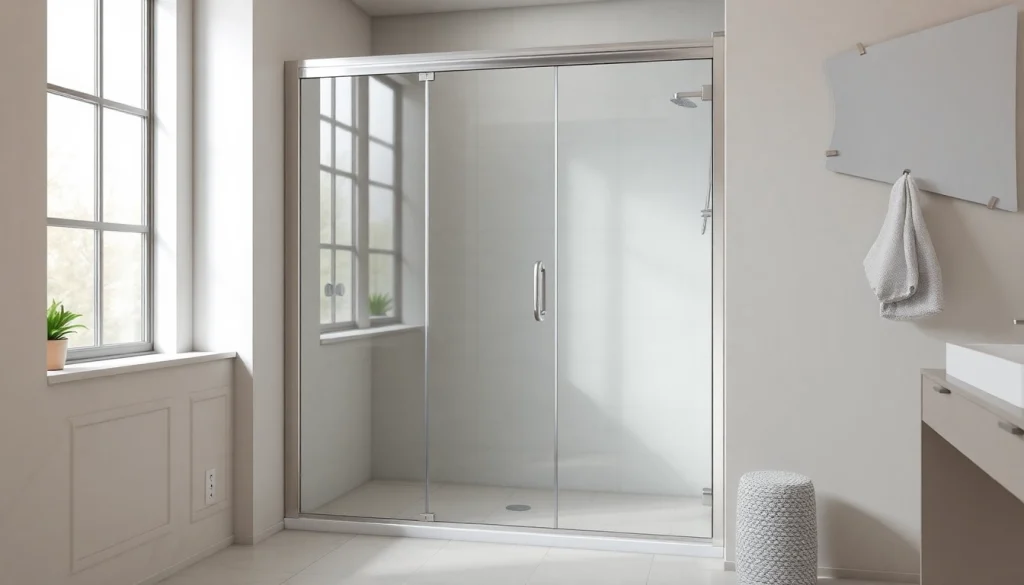
Understanding the Benefits of a Shower Screen Door
Why Choose a Shower Screen Door?
When it comes to bathroom renovations, choosing the right shower screen door is paramount. Not only do they add to the aesthetic appeal of your bathroom, but they also provide practical advantages. Unlike shower curtains, which can become mildewed and require regular washing, shower screen doors are typically made of glass and are much easier to maintain. They create a sleek, streamlined look while optimizing the use of space, making your bathroom appear larger and more open.
Effective Water Containment Features
One of the primary functions of a shower screen door is to contain water and prevent it from splashing outside the shower area. Their design often includes seals or gaskets that enhance water containment. This feature not only keeps your bathroom dry but also reduces the risk of slips and falls, creating a safer environment. Additionally, a well-fitted shower screen door minimizes water damage, allowing you to preserve the integrity of your bathroom fixtures and flooring.
Style and Design Options Available
Shower screen doors come in a variety of styles that can fit any design preference—from minimalist frameless designs to more elaborate framed styles. You can choose clear glass for a modern look or frosted glass for added privacy. Furthermore, the wide range of sizes and shapes, such as curved and bi-fold options, ensures that there is a perfect fit for any shower space. The ability to customize the finish of the metal hardware means that you can seamlessly blend a shower screen door with your bathroom’s overall décor.
Types of Shower Screen Doors to Consider
Frameless Shower Screen Doors
Frameless shower screen doors are often favored for their sleek appearance and illusion of space. Made from robust tempered glass, these doors provide a clean, contemporary look. Their structural integrity comes from the thickness of the glass and the hardware used to install them, creating a minimalist aesthetic that appeals to many homeowners. With fewer metal edges, frameless doors are easier to clean and maintain, as there are no grooves for dirt and soap scum to accumulate.
Framed Shower Screen Doors
Framed shower screen doors feature a metal frame that supports the glass, making them a durable and practical choice. The framing system can enhance the structural stability of the door, making it an excellent option for larger shower spaces. Additionally, framed doors typically come in a range of finishes, offering versatility in design. However, they may require a bit more maintenance than frameless doors due to the additional crevices that can trap dirt and grime.
Bi-Fold Shower Screen Doors
Bi-fold shower screen doors are an excellent choice for small bathrooms where space is an issue. These doors fold inward or outward, allowing for maximum space efficiency without sacrificing access. When opened, they can create a wide entryway, making it easy to step in and out of the shower. Bi-fold doors can be either framed or frameless and are ideal for corners or tight spaces. Their design can add a unique touch to your bathroom while providing functional benefits.
Installation Process for Your Shower Screen Door
Preparation and Tools Required
Before tackling the installation of your shower screen door, it’s crucial to gather all the necessary tools and materials. Generally, you will need a power drill, a level, a measuring tape, a pencil, and a silicone sealant for caulking the seams. Proper preparation also includes measuring the shower space precisely to ensure that the door fits perfectly. Planning out the installation steps ahead of time will make the process smoother and help prevent errors.
Step-by-Step Installation Guide
1. Measure the Opening: Start by measuring the height and width of the shower opening. Ensure these measurements are accurate to avoid complications during installation.
2. Prepare the Shower Surround: Clean the area where the shower screen will be installed. Ensure that the tiles or walls are smooth and free from debris.
3. Mark the Drill Points: Hold the door in position at the designated height. Use a level to ensure that it is straight, then mark the points where you will need to drill.
4. Drill the Holes: Using a power drill, create holes at the marked points. Be cautious not to apply too much pressure, as this could damage your tiles or wall.
5. Attach the Door Hardware: Follow the manufacturer’s instructions to attach the hinges and handle to the door.
6. Install the Door: Attach the door to the wall by securing it with screws. Ensure that it swings properly and that it’s aligned correctly.
7. Caulk the Seams: Finally, apply silicone sealant around the edges of the door to ensure a watertight seal and reinforce stability.
Common Mistakes to Avoid During Installation
Many homeowners make the mistake of not measuring accurately, leading to an ill-fitting shower screen door. Another common error is neglecting the importance of a level; if the door is not straight, it may not seal properly, leading to leaks. Additionally, using inappropriate tools can make installation difficult and time-consuming. Lastly, skipping the silicone sealant can result in water damage over time, so always remember to apply a proper seal after installation.
Maintenance Tips for Long-Lasting Shower Screen Doors
Daily Cleaning Routines
To maintain the aesthetic appeal and functionality of your shower screen door, establish a daily cleaning routine. After each use, simply squeegee the water off the glass to prevent soap scum and mineral deposits. Wiping down with a microfibre cloth can prevent buildup, keeping the glass clear and sparkling. For deeper cleaning, aim to scrub the door with a gentle cleanser at least once a week.
Recommended Cleaning Products
When selecting cleaning products for your shower screen door, it’s crucial to choose non-abrasive cleaners that won’t scratch the glass. Look for specialized glass cleaners or a homemade solution of vinegar and water, which can effectively cut through grime and hard water stains. Avoid harsh chemicals that can damage the seals and finishes of the door.
Signs Your Shower Screen Door Needs Replacement
Over time, even the best shower screen doors may need to be replaced. Watch for signs such as persistent leaks despite adequate sealing or damage to the glass, such as cracks or fractures. If the door no longer opens and closes smoothly or shows signs of rust or corrosion in framed components, it may be time to consider an upgrade. Replacement of a shower screen door not only restores functionality but can enhance the overall aesthetics of your bathroom.
FAQs About Shower Screen Doors
How do I clean my shower screen door effectively?
Use a non-abrasive glass cleaner or a mixture of vinegar and water. After each use, squeegee the glass and wipe it down with a microfiber cloth.
What materials are shower screen doors made from?
Shower screen doors are typically made from tempered glass, which is thicker and more durable than regular glass, enhancing safety and longevity.
Can shower screen doors help reduce bathroom humidity?
Yes, shower screen doors help contain moisture within the shower area, which can reduce humidity levels in the bathroom when used properly.
What is the average cost of a shower screen door?
The cost of a shower screen door can vary widely based on material, size, and design, typically ranging from £100 to £600 or more.
Do I need professional installation for a shower screen door?
While DIY installation is possible for skilled homeowners, hiring a professional can ensure proper fitting and sealing, eliminating potential issues.